Mercedes-Benz and ProLogium have signed a joint testing agreement covering ProLogium’s latest Gen4 solid-state battery cells, with the automaker evaluating the technology for potential use in future electric vehicles (EVs).
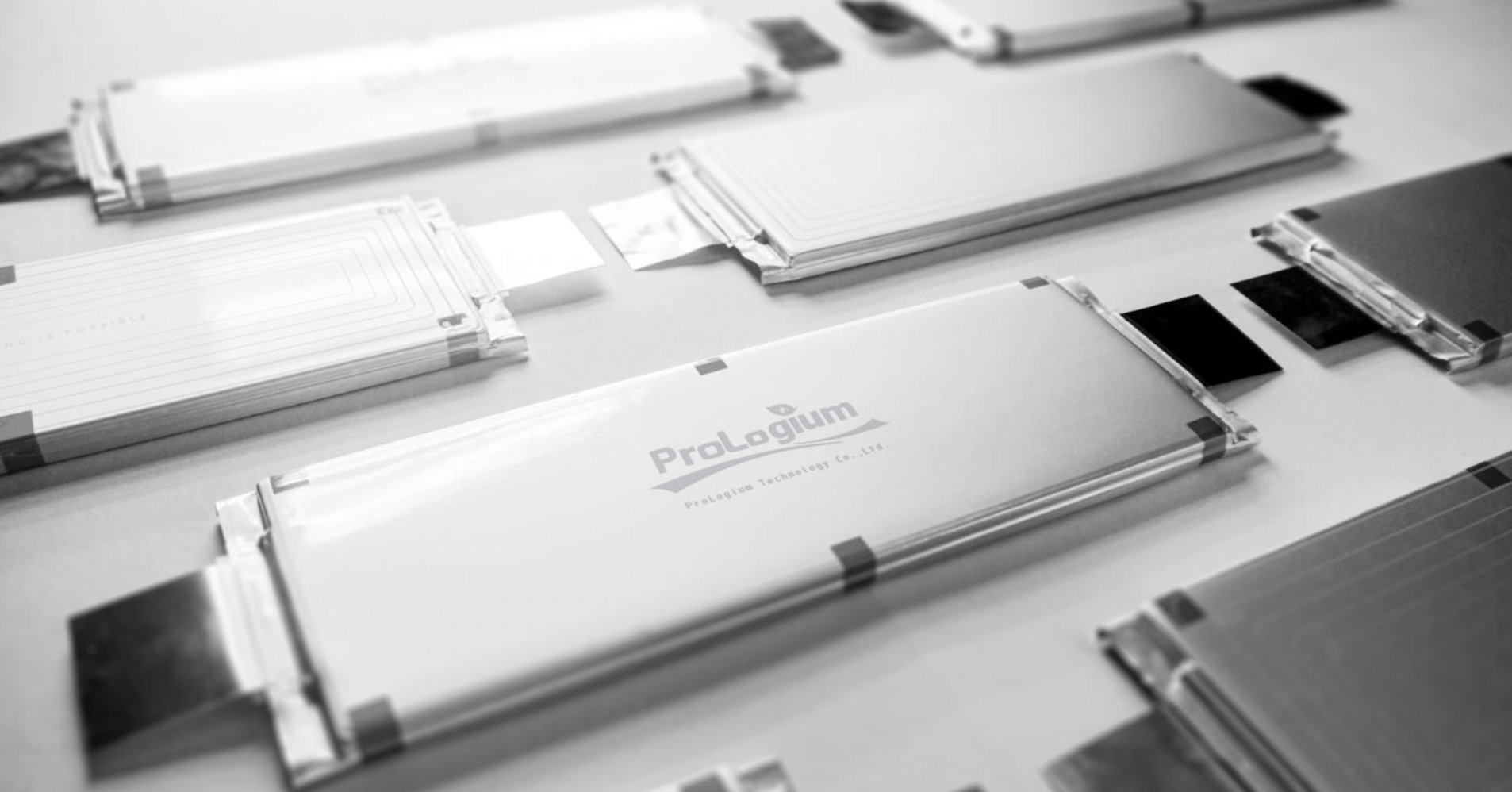 Testing will include electrical, thermal and safety evaluation at Mercedes-Benz facilities and external test institutes. Mercedes-Benz will receive priority access to the Gen4 cells as the companies continue a battery-development relationship that began nearly a decade ago.
ProLogium’s Gen4 platform uses a superfluidized all-inorganic solid-state electrolyte paired with a ceramic separator. The electrolyte is non-flammable and incorporates the company’s Active Safety Mechanism, which is designed to stabilize electrode materials under high-temperature conditions and interrupt reactions that can lead to thermal runaway.
The electrolyte architecture is also intended to address one of the integration challenges associated with solid-state cells. ProLogium has previously reported room-temperature ionic conductivity of 57 mS/cm and says the electrolyte can maintain contact with the electrodes without the high external pressure required by some solid-state designs. Eliminating that pressure requirement could simplify module and pack design while reducing additional structural hardware.
The Gen4 platform is being developed to support higher energy density, fast charging and improved low-temperature performance. Mercedes-Benz will use the new testing program to determine how those cell-level characteristics translate into vehicle requirements and whether the technology is suitable for future EV platforms.
The companies have previously evaluated multiple lithium ceramic battery formats and ProLogium’s bipolar cell technology. Their work has progressed from earlier Gen3 cells through joint development and vehicle-level evaluation.
Manufacturability will also be important if the Gen4 chemistry advances toward vehicle production. ProLogium says the platform retains much of the cell architecture and manufacturing process used for its previous-generation technology, with only limited equipment changes required to transition existing production lines to Gen4.
ProLogium currently operates its Taoke manufacturing facility in Taiwan and is developing a battery plant in Dunkirk, France, with planned capacity of up to 44 GWh. The European facility is intended to support future commercial cell production for EV programs.
Filed Under: Batteries, Technology News, Test And Measurement