
Today on EV Engineering
Engineering challenges in EV high-voltage connections
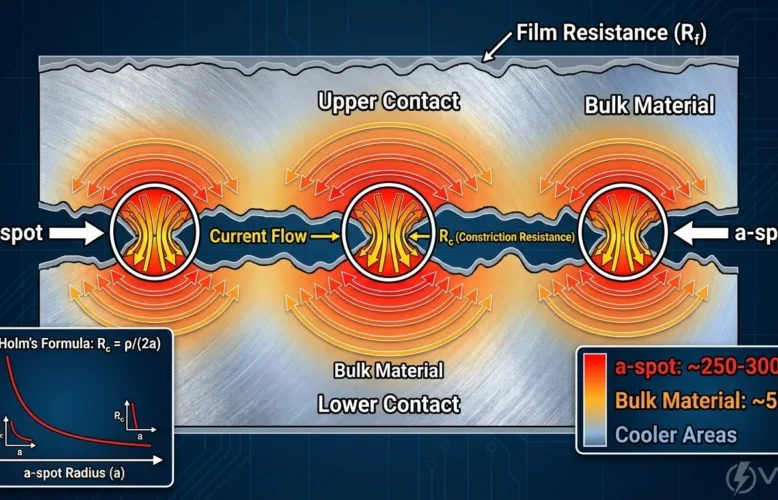
High-voltage connections are critical to the performance and reliability of electric vehicle (EV) electrical systems. Engineers must consider how connectors handle electrical loads and maintain reliable operation throughout the vehicle’s service life. Higher-voltage architectures also introduce additional requirements for insulation and electromagnetic compatibility. This Q&A brings together six engineering questions, answered with excerpts from previously…
Engineered disorder improves lithium-rich cathode performance
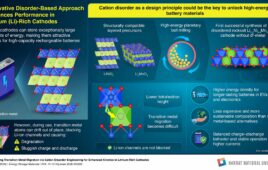
Researchers at Hanbat National University in South Korea have demonstrated that intentionally introducing disorder into lithium-rich cathode materials can improve battery capacity and stability. The approach could help address performance limitations in high-energy-density batteries being developed for electric vehicles (EVs). Lithium-rich cathodes offer the potential for greater energy storage, but their performance can deteriorate when…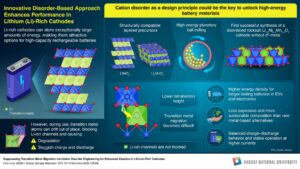
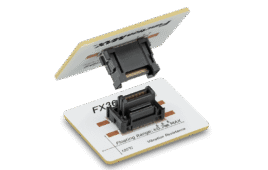
Floating board-to-board connectors for EV powertrain electronics
Hirose Electric has expanded its FunctionMAX family with the FX36 Series, a 0.5-mm-pitch floating board-to-board connector designed for use in electric vehicle (EV) powertrain electronics. The series accommodates circuit-board misalignment and vibration in compact systems, including traction inverters and onboard chargers. The connector incorporates a floating mechanism that allows ±0.7 mm of misalignment in the…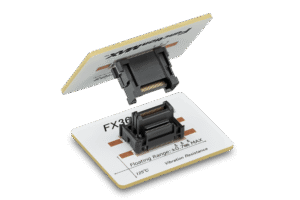
Cybersecurity certification covers development processes for connected equipment
SINEXCEL has received IEC 62443-4-1:2018 certification from TÜV SÜD for its product cybersecurity development processes. The certification is relevant to the company’s electric vehicle (EV) charging equipment, where connected systems require security considerations throughout product development and maintenance. IEC 62443-4-1 establishes cybersecurity requirements for the development lifecycle of industrial automation and control system products. The…
Aluminium-intensive EV design could reduce battery capacity by 15%
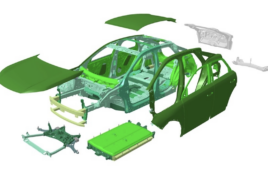
A joint theoretical study by Alumobility and Stellantis has found that an aluminium-intensive vehicle architecture could reduce battery capacity by 15% while maintaining equivalent driving range. The findings demonstrate how reducing structural weight in a battery-electric vehicle (BEV) can create opportunities to optimize other vehicle systems. Using Stellantis’ STLA Medium platform as a steel-based reference,…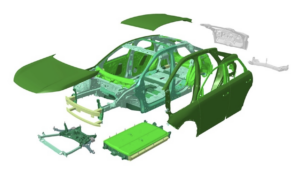
FAQs See More >
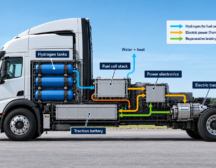 How hydrogen fits into electric vehicle powertrains
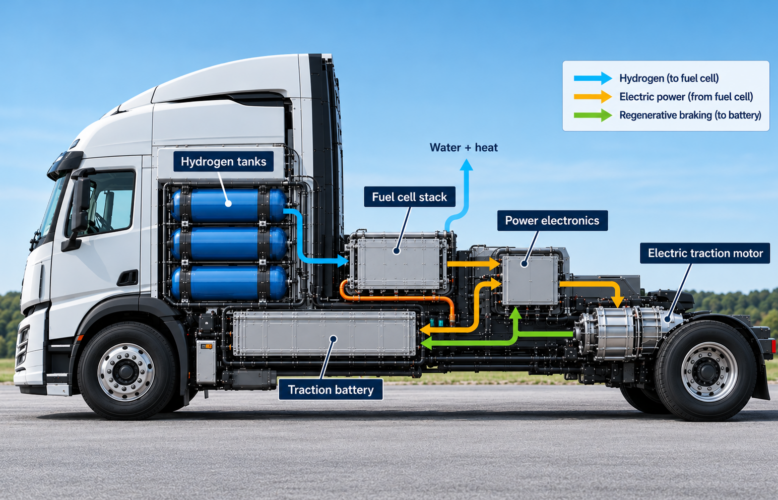
Hydrogen is increasingly appearing in heavy-duty vehicle electrification, particularly in applications where battery capacity and charging infrastructure present challenges. Although…
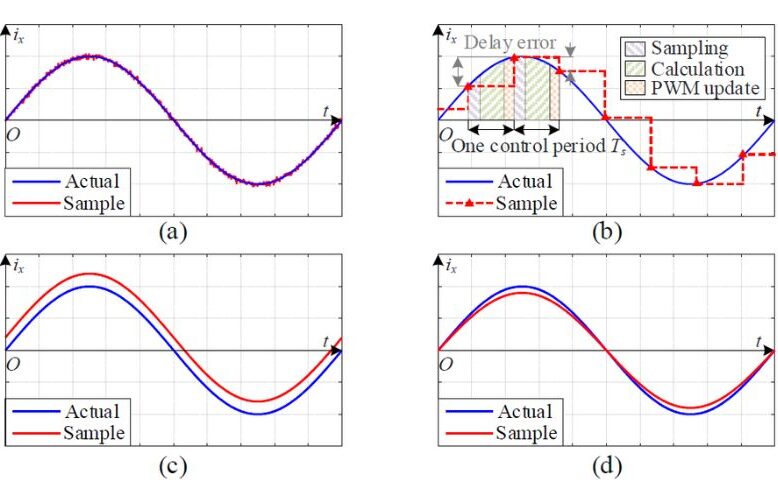
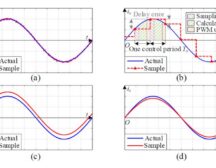 How do current-sensing errors propagate through EV motor control systems?
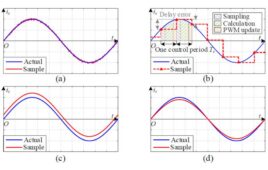
Torque decisions in an electric vehicle (EV) traction drive often start from two or three-phase current readings, which leaves little…
 EV Talk: Designing EV components with end of life in mind
Material selection plays an important role in the performance of electric vehicle (EV) components, but engineers are increasingly being asked…
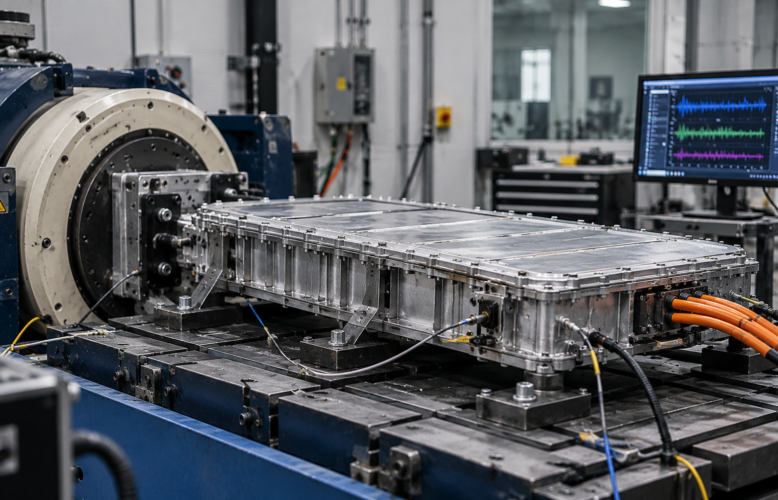
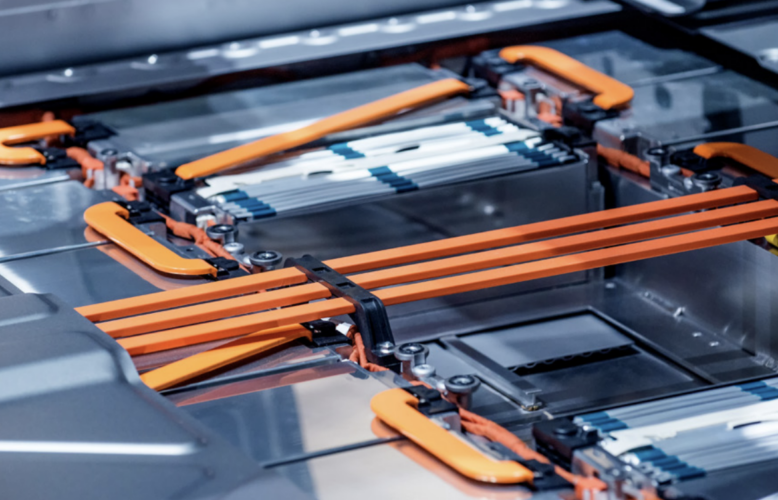
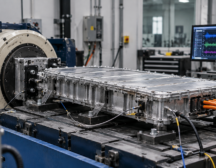 Mitigating high-frequency vibration in structural battery packs
Modern electric vehicle (EV) battery engineering revolves around removing layers of structure so more active cell material fits into the…
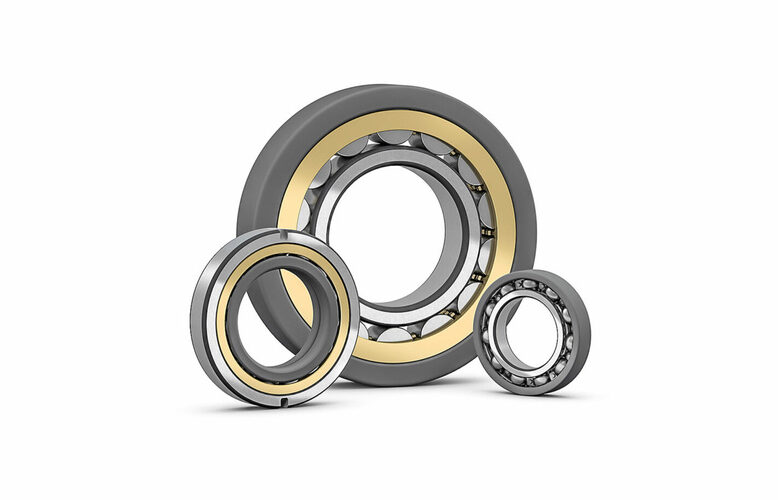
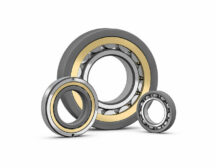 What causes bearing currents in EV motors and how engineers prevent them
An electric vehicle (EV) traction inverter can drive unwanted current through the motor bearings. Its switching creates voltage on the…
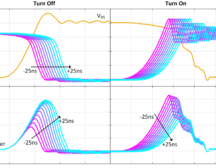 Probing considerations for double pulse testing SiC devices and modules
Editor’s note: Silicon carbide (SiC) power devices are widely used in electric vehicle (EV) traction inverters and other high-voltage power…
 Five trends shaping conductive additives in batteries
Conductive additives make up a small portion of a battery electrode, yet they play a significant role in cell performance.…
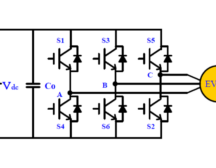 How do two-level and three-level inverter topologies compare in EVs?
Whenever an electric vehicle (EV) battery bus exceeds 400 V, it poses powertrain design challenges for engineers. One of the…
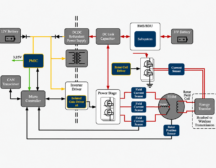 How does fault-tolerant control keep an EV operating after a sensor failure?
The rotor in an electric vehicle (EV) traction motor delivers torque through the motor shaft to the drivetrain. A rotor-position…
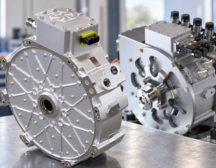 How motor selection shapes system performance
Electric motor selection often starts with datasheet ratings like peak power, torque, and speed range. These values are required for…
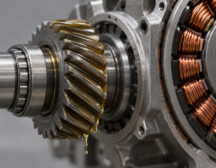 Why e-axle fluids have become an EV engineering problem
Electric vehicle (EV) drive units keep getting smaller and more integrated, and that’s changed what the fluid inside them has…
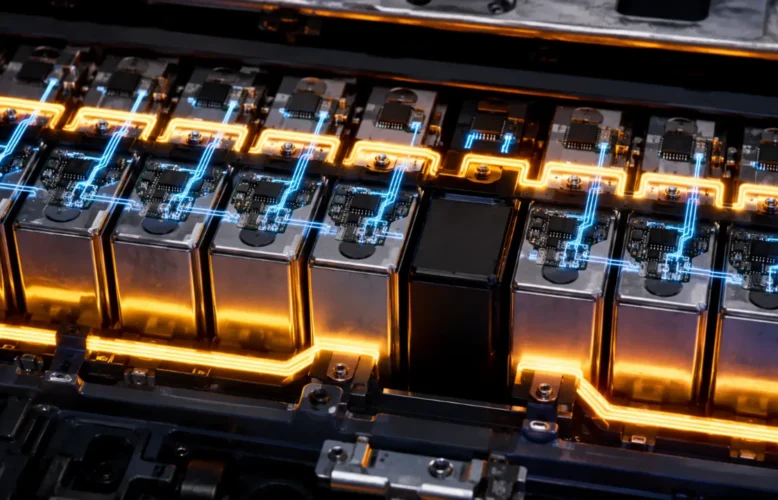
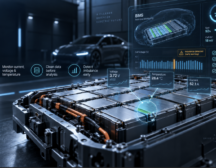 How to catch EV faults before they become failures
Most electric vehicle (EV) battery failures do not happen out of nowhere. Long before a pack trips into a protective…
Batteries See More >
 The Battery Awards 2026 recognize advances in EV and battery technology
The Battery Show and Electric & Hybrid Vehicle Technology Expo North America have announced the winners of The Battery Awards…
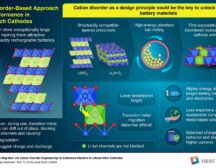 Engineered disorder improves lithium-rich cathode performance
Researchers at Hanbat National University in South Korea have demonstrated that intentionally introducing disorder into lithium-rich cathode materials can improve…
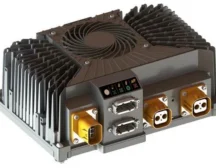 Delta-Q adds Panasonic Energy to battery-charger compatibility program
Delta-Q Technologies has added Panasonic Energy Sales Company of America (PECSA) to its Charged by Delta-Q battery compatibility program, expanding…
 New sodium-ion cell architecture eliminates conventional anode material
Mana Battery is developing an anode-free sodium-ion battery cell using a proprietary liquid electrolyte designed to improve energy density, stability…
 Modular BMS supports 12 to 1,500-volt applications
Eberspächer Vecture has introduced GuardIon-IQ, a modular battery management system (BMS) designed to support battery systems operating from 12 to…
Mitigating high-frequency vibration in structural battery packsModern electric vehicle (EV) battery engineering revolves around removing layers of structure so more active cell material fits into the…
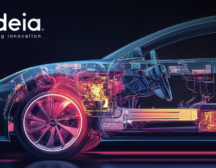 Capillary-driven cooling technology targets heat buildup in EV motors
Adeia Inc. has developed a capillary-driven cooling technology designed to improve heat removal within high-power electric vehicle (EV) motors. The…
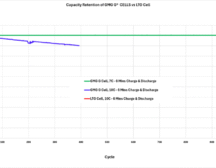 GMG graphene battery cells achieve 94% energy efficiency during fast-charge testing
Graphene Manufacturing Group (GMG) has released new test results showing that its graphene aluminium-ion G CELLS completed 1,000 charge-discharge cycles…
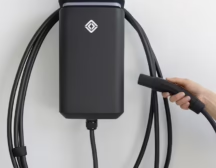 Rivian and Redwood expand EV battery recycling partnership
American automaker Rivian and energy technology company Redwood Materials have expanded their partnership to include the recycling of Rivian’s manufacturing…
 Patent granted for pCAM-free cathode manufacturing process
Dryve Battery Materials Inc. announced that it has received a foundational patent in the Republic of Korea for its pCAM-free…
 Researchers develop aluminum anode technology for lithium-ion batteries
Researchers at the Fraunhofer Institute for Manufacturing Engineering and Automation (IPA) and the University of Stuttgart have developed and patented…
 ProLogium and Rimac advance solid-state EV battery development
ProLogium and Rimac Technology have completed a battery pack concept mockup as part of their collaboration to develop battery systems…
Componentry See More >
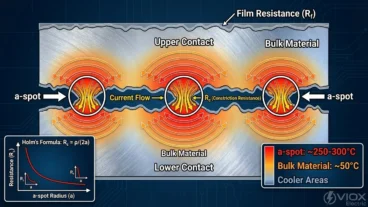
Engineering challenges in EV high-voltage connections
High-voltage connections are critical to the performance and reliability of electric vehicle (EV) electrical systems. Engineers must consider how connectors handle electrical loads and maintain reliable operation throughout the vehicle’s service life. Higher-voltage architectures also introduce additional requirements for insulation and electromagnetic compatibility. This Q&A brings together six engineering questions, answered with excerpts from previously…
Technology News See More >

The Battery Awards 2026 recognize advances in EV and battery technology
The Battery Show and Electric & Hybrid Vehicle Technology Expo North America have announced the winners of The Battery Awards 2026, recognizing developments in electric vehicle (EV) technology, battery manufacturing and related technologies. The awards cover several categories relevant to EV engineering, including vehicle design, charging, battery safety, materials and manufacturing. Winners in these categories…