Wolfspeed has entered into a multiyear supply agreement with BorgWarner to provide silicon carbide (SiC) power devices for the company’s next-generation 800-volt (V) electric vehicle (EV) traction inverter platform.
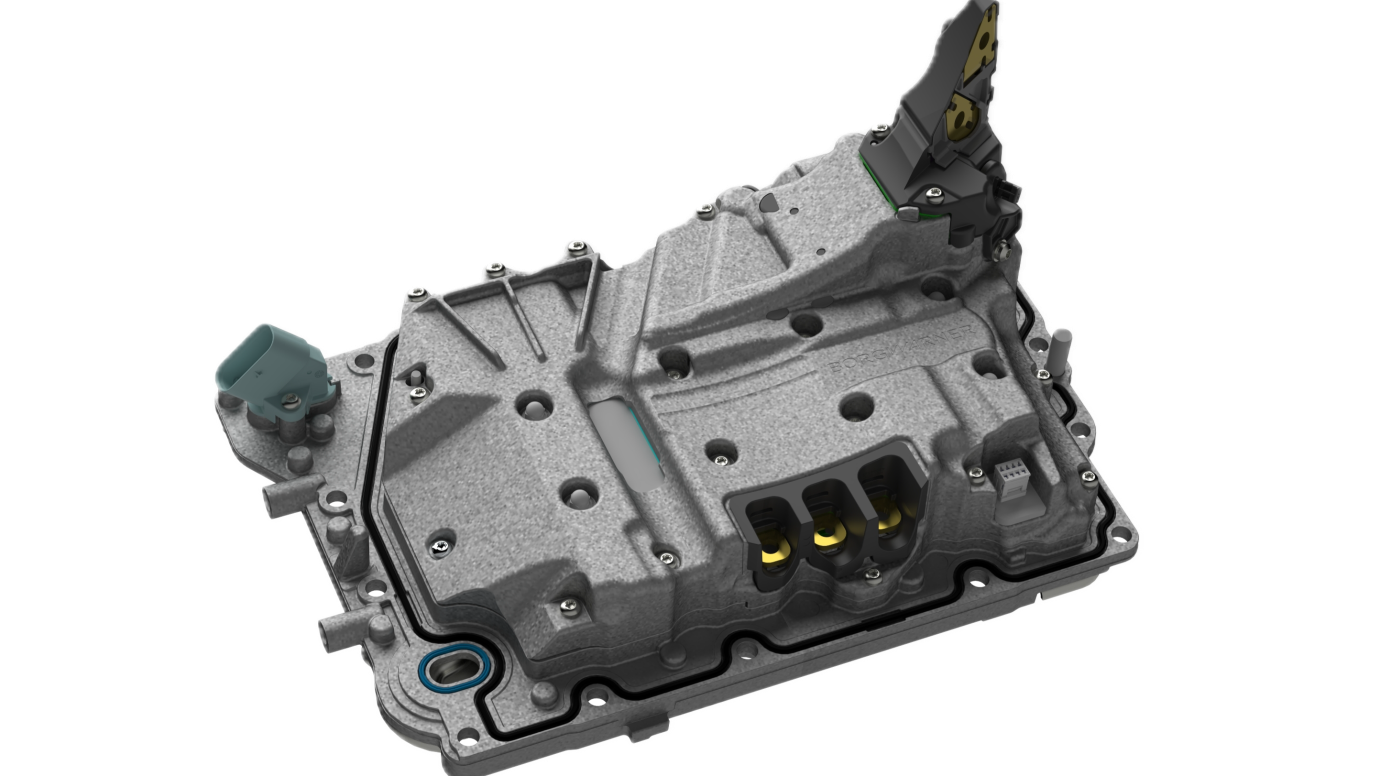 The agreement covers Wolfspeed’s 1,200-V SiC technology, including its fifth-generation (Gen 5) devices, which are designed to meet the efficiency, performance, and reliability requirements of automotive power electronics.
Traction inverters convert direct current (dc) from an EV’s high-voltage battery into alternating current (ac) to drive the electric motor. The power semiconductors within the inverter control this conversion, making their switching characteristics, conduction losses, and thermal performance important considerations for overall system efficiency.
SiC devices can operate at higher switching frequencies and temperatures than conventional silicon-based devices, potentially reducing power conversion losses and allowing more compact inverter designs. The 1,200-V device rating also provides voltage headroom for operation within an 800-V vehicle electrical architecture.
Wolfspeed’s Gen 5 SiC technology is designed to improve power handling and reduce conduction losses while maintaining switching performance. The company has previously reported improvements in specific on-resistance and high-temperature operation for its Gen 5 devices, although the new agreement does not disclose performance figures for BorgWarner’s inverter platform.
The devices are intended for demanding automotive environments involving high voltages, elevated temperatures, and repeated power cycling.
The agreement also provides BorgWarner with a long-term supply of SiC devices as it develops its next-generation inverter platform. Wolfspeed has transitioned its manufacturing capabilities to 200-millimeter (mm) wafers, which the company says will support production capacity and supply continuity.
Neither company has disclosed the agreement’s financial terms, specific vehicle programs, or production timelines for the inverter platform.
Filed Under: Technology News