EV Engineering & Infrastructure

  • News
  • Articles
    • Q&As
    • Tech Spotlight
  • Batteries
  • Charging
    • Wireless Charging
    • Vehicle-to-Grid (V2G)
  • Electrification
  • Testing and Safety
  • Learn
    • Learning Center
    • Tech Toolboxes
    • Webinars
  • Resources
    • Digital Editions
    • Diversity & Inclusion
    • Voices
  • Advertise
  • Subscribe

Multilayer inductors for automotive power-over-coax circuits

By Michelle Froese | October 7, 2026

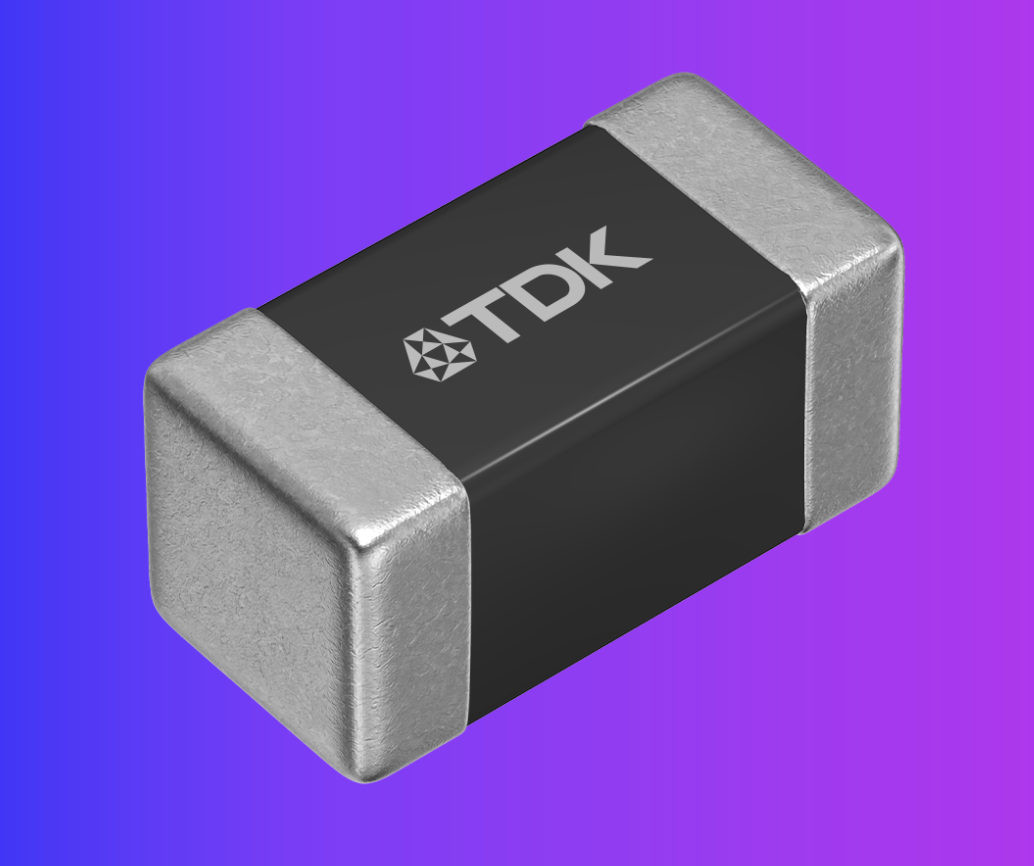
TDK has expanded its MLJ1608-G series of multilayer inductors for automotive power-over-coax (PoC) circuits.

Automotive PoC technology allows power and data to be transmitted simultaneously over a single coaxial cable. It is primarily used with automotive cameras for advanced driver-assistance systems (ADAS), including those used in electric vehicle (EV) platforms.

Using a single cable instead of separate power and data cables can reduce vehicle wiring, weight, and packaging requirements while simplifying connections between cameras and electronic control units (ECUs).

The new MLJ1608-G components offer:

  • High impedance across frequencies from 300 MHz to 2 GHz
  • 1.7 to 2 times higher impedance than conventional components in the 100- to 700-MHz range
  • A compact 1.6 × 0.8 × 0.8-mm package
  • AEC-Q200 compliance

PoC systems use wideband filters containing multiple inductors to separate power from data signals before processing. TDK increased the inductance of the new component to 1.2 μH, compared with 0.56 μH for its conventional products.

The higher impedance is designed to improve noise suppression, while the smaller component size can help reduce the size of automotive camera modules.

TDK plans to continue developing multilayer, wire-wound, and thin-film inductors for automotive PoC applications.

You might also like


Filed Under: Power Electronics, Technology News
Tagged With: powerelectronics, tdk
 

Next Article

← Previous Article
Next Article →


“ee
EXPAND YOUR KNOWLEDGE AND STAY CONNECTED
Get the latest info on technologies, tools and strategies for EV professionals.

Tech Spotlight

  • Why high-power EV charging is pushing control integration into one ECU
  • Designing safety into the cell: The case for system-level solid-state batteries
More Tech Spotlight

Featured Contributions

  • How do two-level and three-level inverter topologies compare in EVs?
  • Inside the development of the Megawatt Charging Standard
  • How does fault-tolerant control keep an EV operating after a sensor failure?
  • Q&A: How EV architectures are changing high-speed connectivity
  • How to catch EV faults before they become failures
More Featured Contributions

EV TECH TOOLBOX

“ee
Explore the EV Engineering Tech Toolboxes: a collection of high-impact articles that break down the latest EV design trends and technologies. Download to stay aligned with today’s evolving EV design challenges.

Learning Center

EE Learning Center

Sponsored Content

  • Converting custom materials for EV applications
  • Advantech Powers Versatile Electric Vehicle Charging Systems

EV Training Days

ev
Q&A
EV Engineering & Infrastructure
  • 5G Technology
  • Analog IC Tips
  • Battery Power Tips
  • Connector Tips
  • EDABoard Forums
  • Electro-Tech-Online Forums
  • Engineer’s Garage
  • Microcontroller Tips
  • Power Electronic Tips
  • Sensor Tips
  • Test and Measurement Tips
  • Contact Us

Copyright © 2026 Arrowfly LLC. All Rights Reserved. The material on this site may not be reproduced, distributed, transmitted, cached or otherwise used, except with the prior written permission of Arrowfly
Privacy Policy | Advertising | About Us

Search EV Engineering & Infrastructure

  • News
  • Articles
    • Q&As
    • Tech Spotlight
  • Batteries
  • Charging
    • Wireless Charging
    • Vehicle-to-Grid (V2G)
  • Electrification
  • Testing and Safety
  • Learn
    • Learning Center
    • Tech Toolboxes
    • Webinars
  • Resources
    • Digital Editions
    • Diversity & Inclusion
    • Voices
  • Advertise
  • Subscribe