Subaru is evaluating onsemi’s Embedded Power Platform (EPP) for future electrified vehicle architectures, with a focus on how higher levels of semiconductor integration could improve traction inverter design.
 The engagement gives Subaru access to engineering samples, simulation models, and technical support as it assesses the platform’s electrical, thermal, and system-level performance.
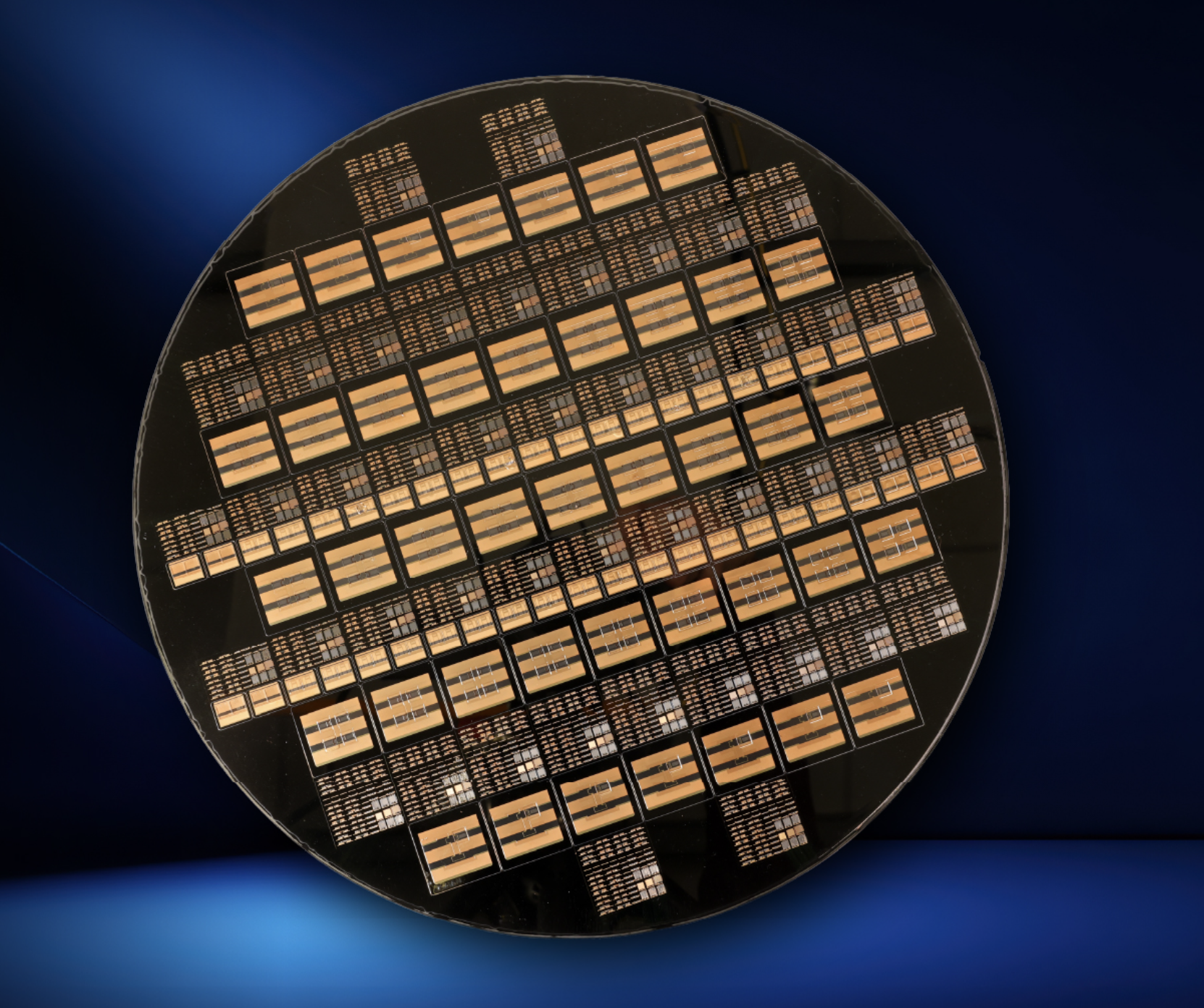
EPP integrates multiple power semiconductor devices directly into a silicon-based wafer-level package. Rather than treating the package only as mechanical protection, the architecture is designed to contribute to electrical and thermal performance while reducing the space required for the power stage.
For electric vehicle (EV) traction inverter applications, the approach could enable smaller and lighter systems while improving power density and efficiency. The integrated architecture may also reduce the number of discrete components and simplify inverter packaging.
The platform is designed to scale across different power levels using a common architecture, which could allow automakers to reuse elements of the same power design across multiple vehicle programs.
Subaru will use the initial evaluation phase to study how the technology could fit future EV power architectures and assess its potential against vehicle performance, efficiency, thermal management, and integration requirements.
Filed Under: Inverter, Technology News