SWTCH Energy has deployed its SWTCH Cortex energy management system at the Bridgeport Innovation Center in Connecticut, integrating electric vehicle (EV) charging and heat pump operation within the building’s existing electrical capacity.
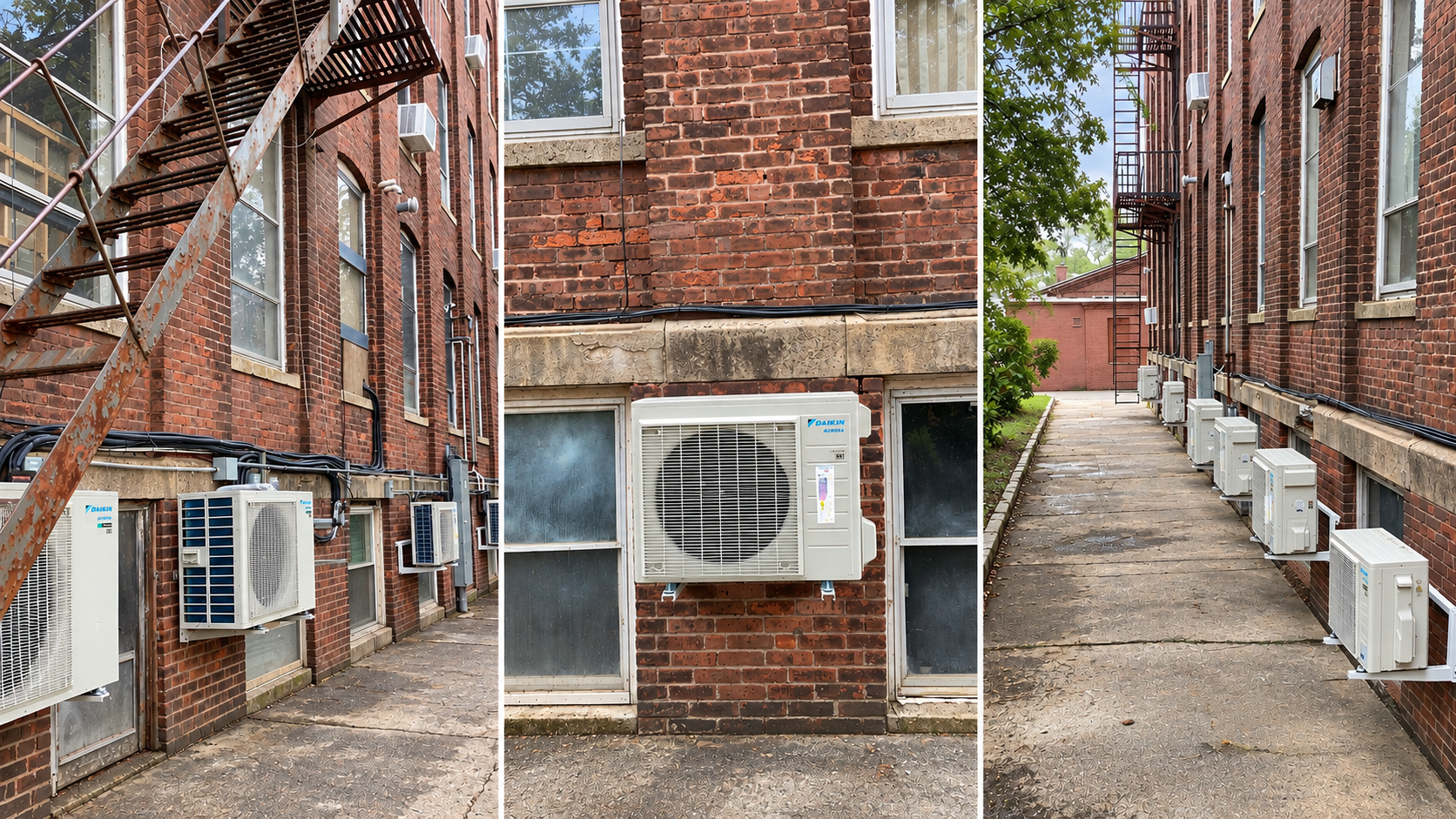 The pilot, conducted with property owner Time Equities, is designed to demonstrate how coordinated management of EV chargers and electric heating can reduce peak electrical demand without requiring electrical service upgrades.
SWTCH Cortex uses real-time load management to adjust EV charging based on available building capacity. The pilot extends this approach to heat pumps, allowing both systems to operate within shared electrical limits rather than being managed independently.
When heating demand decreases, additional electrical capacity can become available for EV charging. Conversely, charging loads can be adjusted when heating demand increases. This coordination allows the building to accommodate both technologies while reducing the risk of exceeding its electrical capacity.
The system also considers utility rate structures when scheduling flexible electrical loads, with the goal of limiting demand peaks and reducing operating costs.
SWTCH is working with heat pump retrofit specialist BONDI Energy on the project, which is supported by Connecticut’s Innovative Energy Solutions program.
The Bridgeport deployment is the first phase of a two-part pilot. A second deployment, planned for early 2027, will evaluate the approach in multifamily housing, where existing electrical capacity can limit the installation of EV charging infrastructure.
The pilot will assess how coordinated load management affects peak demand and the capacity available for EV charging and electric heating.
Filed Under: Charging, Technology News