General Motors (GM) has outlined the engineering developments behind its fourth-generation electric vehicle (EV) platform, including lithium manganese-rich (LMR) battery cells and redesigned electric drive units. The company expects the integrated design to deliver approximately 20% more driving range per kilowatt-hour of battery energy compared with its current EVs.
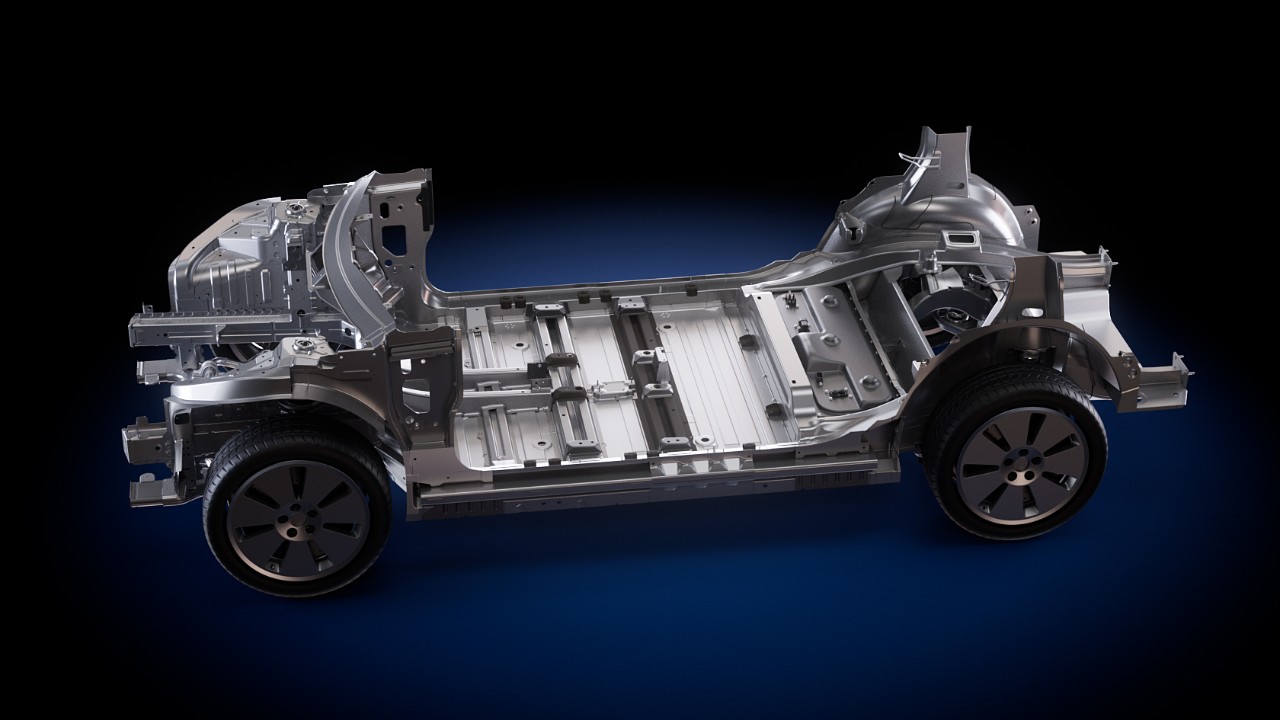 The platform will use LMR chemistry in prismatic battery cells manufactured by Ultium Cells, GM’s joint venture with LG Energy Solution, in Spring Hill, Tennessee. The chemistry is designed to provide approximately 33% greater energy density than lithium iron phosphate (LFP) batteries at a comparable cost.
The higher energy density could allow engineers to achieve a given driving range with a smaller battery pack.
GM used computer modeling to evaluate more than 300,000 battery designs before building a physical prototype. The virtual development process allowed the engineering team to move from its initial LMR battery pack concept to formal program approval in one month.
The company is also developing a new family of electric motors and power electronics that reduces the number of components within each drive unit by approximately 40%. The simplified architecture is intended to reduce system mass while making more space available within the vehicle.
A redesigned electrical architecture further reduces wiring by approximately 30% compared with GM’s current EVs. The system consolidates vehicle computing functions and provides 40 times more processing capability, creating a foundation for software updates and vehicle energy management.
GM is also applying digital modeling to battery pack assembly. The company reports that its existing factory intelligence tools have reduced battery pack processing time by approximately 30%. Similar methods will be incorporated into the fourth-generation platform’s production process.
The new electrical architecture will also allow vehicles to verify electrical connections during assembly, reducing the need for a separate final validation step.
GM has not announced a production launch date for the complete fourth-generation EV platform. The reported improvements represent development targets and initial engineering results rather than independently verified performance figures from production vehicles.
Filed Under: Electrification, Technology News