Toyota has demonstrated high-flow hydrogen refueling that can replenish heavy-duty fuel-cell electric trucks in approximately eight minutes, supporting a driving range of up to 450 miles.
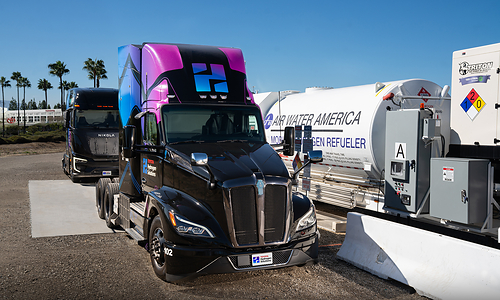 The technology is being developed with the US Department of Energy’s National Laboratory of the Rockies to improve refueling infrastructure for hydrogen-powered electric trucks.
Unlike battery-electric vehicles (BEVs), fuel-cell electric vehicles (FCEVs) generate electricity onboard using hydrogen, allowing them to operate electric drivetrains without relying on plug-in charging.
The demonstration uses a 70-MPa (700-bar) high-flow hydrogen fueling system capable of delivering fuel at rates up to 300 grams per second. According to Toyota, this is approximately five times faster than conventional light-duty hydrogen fueling technology.
Toyota and the laboratory conducted multiple rounds of testing under the SAE J2601-5 heavy-duty hydrogen fueling standard. The results demonstrated refueling times comparable to diesel-powered heavy-duty trucks, addressing one of the challenges associated with deploying fuel-cell electric trucks in commercial freight operations.
The higher flow rate is particularly relevant to heavy-duty applications, where larger hydrogen storage capacities require more fuel to be transferred during each stop. Reducing refueling time could help limit vehicle downtime without changing the electric-drive architecture.
Toyota is also expanding its hydrogen fueling infrastructure in California. The company recently installed two mobile hydrogen fueling units at its North American Parts Center California facility to support fuel-cell electric trucks transporting freight between the Port of Los Angeles and Ontario, California.
The mobile units will initially support trucks commissioned through Hyroad Energy, with plans to accommodate vehicles using Toyota’s certified fuel-cell powertrain. A permanent hydrogen fueling station is also planned for the site.
Toyota intends to upgrade its Hydrogen Headquarters testing infrastructure to the same high-flow fueling standard. The company expects production trucks equipped with its fuel-cell powertrain to begin commercial operations in 2027.
The development represents progress toward reducing refueling downtime for heavy-duty fuel-cell electric trucks, where operating range and turnaround time are important considerations for commercial fleets.
Filed Under: Charging, Technology News