Silicon Quantum Computing (SQC) and Schneider Electric have progressed to Stage 2 of the Australian Government’s Critical Technologies Challenge Program (CTCP), receiving A$3.6 million (US$2.5 million) in funding to continue their work with UNSW Sydney.
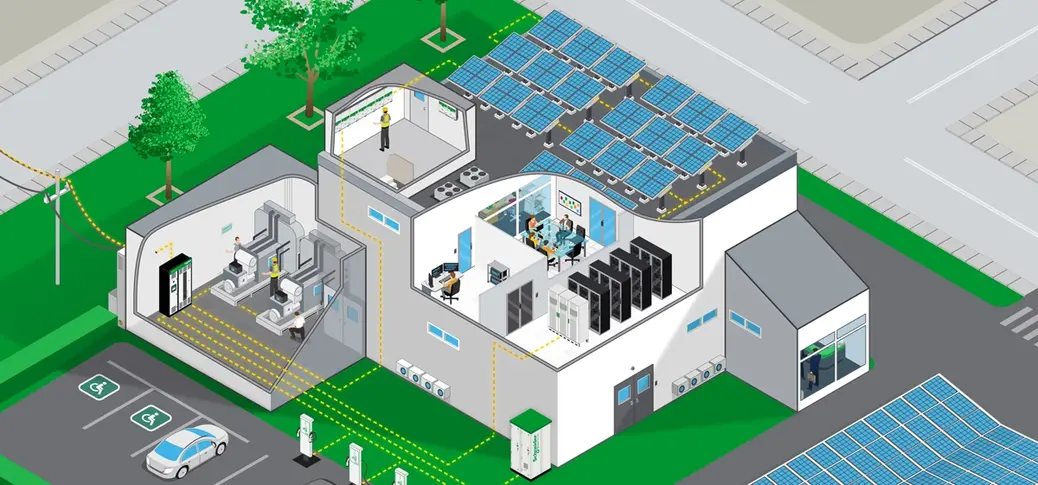 As rooftop solar, home batteries, and electric vehicles (EVs) become more widespread, household energy systems are becoming more dynamic and difficult to predict.
Schneider Electric uses forecasting and optimization technologies to manage distributed energy resources, including predicting when energy systems should switch between different sources.
During Stage 1, the joint team explored whether SQC’s Watermelon quantum-enhanced AI system could increase the accuracy of Schneider Electric’s forecasting models. The system generates quantum features that are used alongside classical features in the forecasting models.
According to SQC and Schneider Electric, applying the system to next-day forecasting data over a 12-month period resulted in an average 20% increase in forecasting accuracy compared with the classical benchmark, with gains of up to 41%.
More accurate forecasting could help utilities and energy-management systems account for changing loads from distributed energy resources, including EV charging, rooftop solar, and home batteries.
Stage 2 will expand the modeling to hundreds of homes across Australia and integrate it directly into Schneider Electric’s AI workflows.
Colette Munro, Pacific Zone president at Schneider Electric, noted that rooftop solar, EVs, and home batteries are introducing additional complexity into energy systems. The next phase of the project will examine how the hybrid quantum-classical approach performs as the modeling expands.
SQC launched Watermelon in 2025. The system combines quantum-generated features with classical computing and is currently being applied to several data-modeling applications.
The companies are conducting the project in partnership with UNSW Sydney as part of Australia’s Critical Technologies Challenge Program.
Filed Under: Charging, Technology News