Qnovo has introduced a new software application built on its Battery Genome platform to give automakers a more detailed view of electric vehicle (EV) battery condition and residual value.
 The application is intended to address limitations in battery assessments based largely on age, mileage, and other relatively sparse data. Batteries with similar vehicle histories can degrade differently depending on operating conditions and cell-level variation, making it difficult to distinguish healthy packs from those experiencing accelerated aging.
The issue is becoming more important as digital battery passports move closer to implementation in the European Union. Beginning February 18, 2027, EV batteries placed on the EU market will require a battery passport. While these records can improve transparency, Qnovo says limited data may not reveal cell-level defects or abnormal degradation.
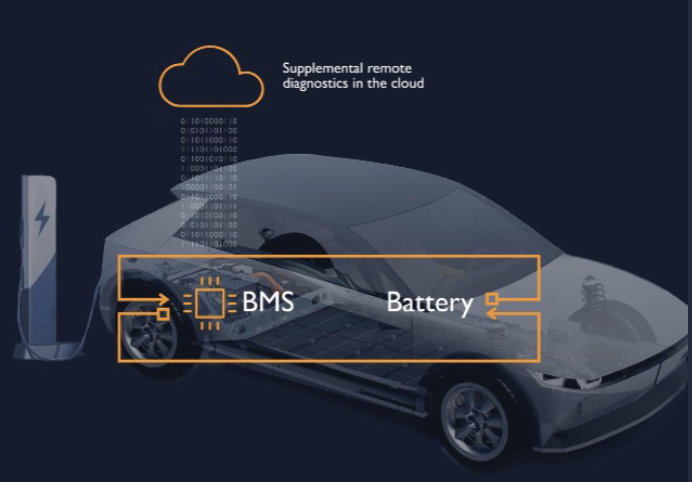
Working with automotive OEMs, Qnovo applies its Battery Genome software to the battery’s electrochemical history, including charging behavior and operating conditions. The software is designed to identify indicators of accelerated aging and hidden defects, then project how the battery is likely to degrade over time.
The resulting assessment can give automakers additional information about battery health and risk while supporting estimates of residual value. Because the software runs in the vehicle, it can use data that may not otherwise be available later in the battery’s life.
The application extends Qnovo’s existing automotive software, which includes Adaptive Fast Charging and battery health and safety diagnostics.
Qnovo plans to demonstrate the application at The Battery Show North America in Detroit from October 13 to 15, 2026.
Filed Under: Batteries, Software, Technology News